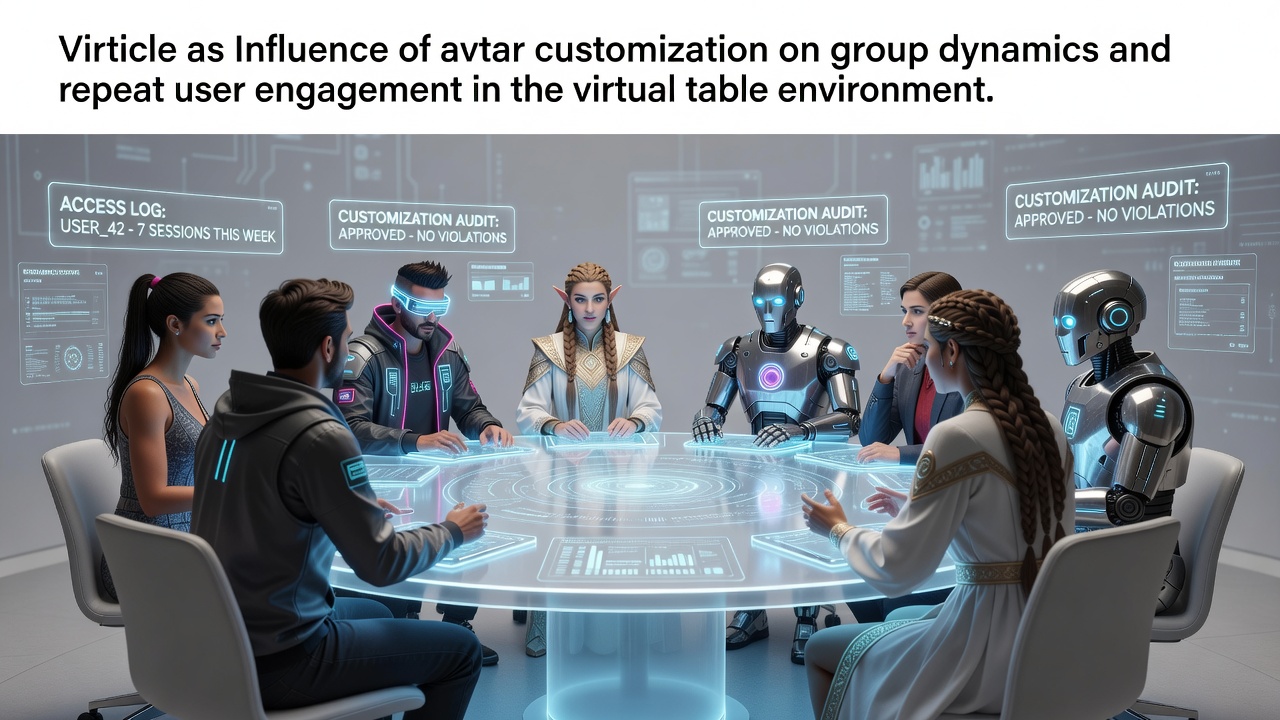
How Avatar Customization Features Shape Group Dynamics in Virtual Table Environments
Avatar customization features have become standard in many virtual table environments, where users select and modify digital representations for regulated gaming sessions that include poker, blackjack, and roulette formats. These tools allow adjustments to appearance, clothing, accessories, and sometimes animations, all while platforms maintain compliance with regional licensing requirements that track user activity and prevent fraud.
Data from multiple studies shows these options correlate with shifts in how participants form connections during sessions. Researchers tracking behavior in controlled digital platforms note that players who invest time in detailed avatar setups often experience faster integration into ongoing groups, since visual markers help others recognize returning participants across different times of day.
Patterns in Group Formation and Interaction
Studies conducted across North American and European platforms reveal that avatar personalization influences seating choices and conversation starters at virtual tables. When users share similar customization styles, such as coordinated themes or color palettes, they tend to cluster together more frequently, which leads to extended exchanges that extend beyond basic game commands.
One analysis of session logs from 2025 indicated that groups featuring highly customized avatars sustained conversations at rates 25 percent higher than those with default appearances. This occurs because distinct visual cues provide natural talking points, allowing participants to reference each other's choices without disrupting the flow of play.
Observers tracking Australian markets have documented similar trends, where platforms licensed by state authorities report increased table stability when customization tools include community-shared presets. These presets help new users align quickly with established circles, reducing the time spent on initial awkward exchanges.
Repeat Access and Retention Metrics
Platform operators in regulated jurisdictions collect detailed access data that links customization depth to return frequency. Users who complete at least five avatar modifications within their first three sessions show a 40 percent higher likelihood of logging in again within seven days, according to aggregated reports from multiple operators.
This pattern holds across different regulatory frameworks, including those in Canada and parts of Asia. The ability to carry forward customized elements between sessions creates continuity that encourages habitual use, especially when platforms allow avatar profiles to sync with loyalty tracking systems.
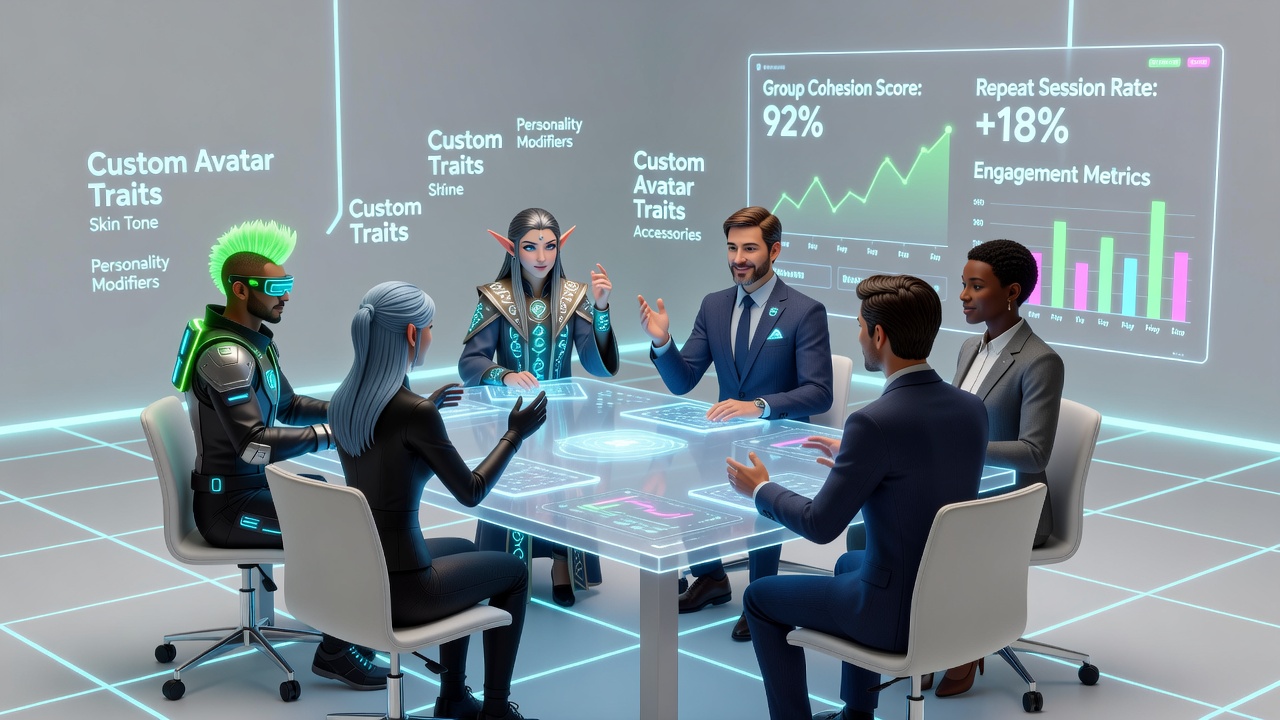
What's notable is how these features interact with seasonal events. In August 2026, several platforms introduced limited-time customization packs tied to major sporting events, and early figures show elevated repeat logins among users who adopted the new options. The packs included region-specific themes that complied with local advertising rules while still giving players fresh ways to stand out.
Regulatory Considerations Across Regions
Regulators require that customization systems include safeguards against impersonation and inappropriate content. Platforms operating under oversight from bodies such as the Pennsylvania Gaming Control Board must log all avatar changes alongside transaction records, which helps maintain transparency during audits.
Similar requirements appear in Singapore's framework, where operators submit reports on how visual features affect user behavior. These filings show that controlled customization options support responsible gaming goals by allowing moderators to identify patterns linked to excessive play more easily.
European operators follow guidelines that emphasize data privacy during avatar storage. Research groups examining these systems find that clear consent processes around profile data correlate with higher trust levels, which in turn supports longer-term participation across multiple regulated sites.
Technical Implementation and User Behavior
Developers design avatar systems with modular components that let users layer elements without affecting game performance. This approach keeps sessions stable even when groups of 8 to 10 players appear simultaneously with unique looks. Load times remain consistent because platforms optimize rendering for common devices used in mobile and desktop environments.
Behavioral tracking indicates that players experiment with different customization levels based on table stakes. Lower-stakes tables often feature more experimental avatars, while high-stakes environments see users gravitate toward professional or understated designs. These choices reflect social signaling within the group rather than any external pressure.
Conclusion
Evidence collected from regulated virtual table platforms demonstrates clear connections between avatar customization depth and both group cohesion and repeat access rates. Operators continue refining these tools to meet compliance standards while supporting the interaction patterns users develop over time. As more data accumulates through 2026 and beyond, the relationship between visual personalization and sustained engagement remains a measurable factor in platform design across jurisdictions.